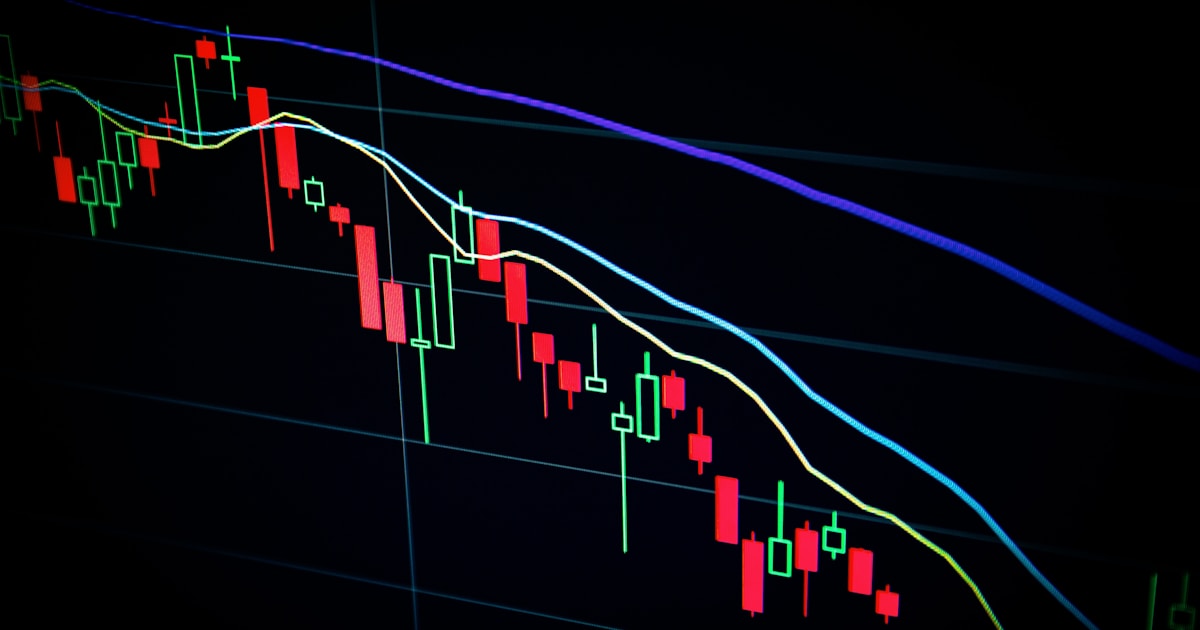
Crypto derivatives perpetual futures have exploded in popularity, now accounting for more than 75% of total crypto derivatives volume on platforms like Binance and Bybit. Yet, despite their dominance, many traders jump in blind, losing money due to misunderstood mechanics. This guide demystifies perpetual futures, showing you exactly how to trade them step by step — using real tools and proven strategies.
Whether you’re a Bitcoin maximalist or altcoin trader, perpetual futures let you leverage long or short positions without expiry dates, making them ideal for active traders. But if you don’t grasp key concepts like funding rates or margin requirements, you’ll likely fall victim to the most common beginner pitfalls. Let’s fix that now.
📊 KEY DATA
Perpetual futures share of crypto derivatives volume (2026)
Max leverage offered on Binance perpetual futures
Typical funding rate interval (every 8 hours)
Approximate BTC price range in July 2026
1. Understand What Perpetual Futures Are and How They Work
Unlike traditional futures, perpetual futures contracts have no settlement date, allowing you to hold positions indefinitely. Instead of expiring, these contracts use a mechanism called funding rates to tether the contract price to the spot price.
Funding Rates Explained
- Paid every 8 hours on most platforms like Binance, Bybit, and FTX (now rebranded but check latest platforms)
- If the funding rate is positive, longs pay shorts; if negative, shorts pay longs
- This incentivizes price convergence between the futures price and the underlying asset
Monitoring funding rates is crucial since high rates can eat into profits or cause losses even if the market moves in your favor.
2. Choose the Right Exchange and Set Up Your Account
Not all platforms are created equal. For perpetual futures trading, you want low fees, deep liquidity, and reliable risk management tools. Here are top picks:
- Binance Futures — Largest volume, up to 100x leverage, and strong security measures.
- Bybit — User-friendly UI, insurance fund to reduce liquidation risks.
- OKX — Competitive fees and advanced order types.
Steps to set up:
- Register and complete KYC verification.
- Deposit funds (BTC, USDT, or stablecoins depending on contract).
- Familiarize yourself with the margin and leverage settings.
3. How to Open and Manage a Perpetual Futures Position
Once funded, you’re ready to trade. Here’s the step-by-step:
- Select your contract: BTCUSDT perp is the most liquid.
- Choose leverage carefully: Start low (5x-10x) to manage risk.
- Set order type: Market order for fast execution or limit order for specific entry price.
- Monitor margin: Maintain enough margin to avoid liquidation; use cross margin or isolated margin based on your risk tolerance.
- Track funding rates: If rates are high, consider closing or reducing position.
- Set stop loss and take profit: Protect your capital and lock in gains.
Using Tools to Manage Trades
- Glassnode for on-chain insights to gauge market sentiment.
- CoinMarketCap for exchange liquidity rankings.
- TradingView for charting with custom indicators.
4. The #1 Mistake Beginners Make and How to Avoid It
Overleveraging is by far the biggest trap. Many new traders chase maximum leverage (50x, 100x) hoping for quick gains but get liquidated fast, losing 100% of their margin.
In my view, leverage should be a tool, not a gamble. Stick to 5x or 10x max until you master the market dynamics. Also, never trade with funds you can’t afford to lose.
5. Best Practices for Long-Term Success in Perpetual Futures
Risk Management
- Use stop losses religiously.
- Diversify positions rather than going all-in on one trade.
- Regularly withdraw profits to avoid emotional trading.
Keep Learning and Adapting
Markets evolve quickly. Stay updated with the Federal Reserve policies and crypto regulatory news that impact derivatives markets.
| Exchange | Max Leverage | Funding Rate Interval | Key Features |
|---|---|---|---|
| Binance Futures | 100x | Every 8 hours | Deep liquidity, low fees, advanced risk controls |
| Bybit | 100x | Every 8 hours | User-friendly, strong insurance fund |
| OKX | 75x | Every 8 hours | Competitive fees, advanced orders |

Key Takeaways
- Perpetual futures let you hold leveraged positions indefinitely without expiry.
- Funding rates keep futures prices aligned with spot prices; monitor them closely.
- Choose reputable exchanges like Binance, Bybit, or OKX for best liquidity and security.
- Avoid the biggest mistake: never overleverage; start with 5x-10x max.
- Use stop losses and risk management tools to protect your capital and trade sustainably.
Stay Ahead of the Market
Get daily crypto analysis, price breakdowns, and on-chain insights from Bitcoin Fast Community — updated 4x daily.
Read All Analysis →Free Tool
Bitcoin ROI Calculator
Calculate the exact return on any Bitcoin investment since 2012 — and compare against S&P 500 and gold.
Related Crypto Guides
Frequently Asked Questions
Q: What are crypto perpetual futures?
A: Crypto perpetual futures are derivative contracts with no expiration date, allowing traders to hold leveraged positions indefinitely. They use funding rates every 8 hours to keep contract prices close to the underlying asset price, unlike traditional futures which settle on set dates.
Q: How does the funding rate affect my trade?
A: Funding rates are periodic payments exchanged between long and short position holders. If the rate is positive, longs pay shorts, and vice versa when negative. High funding rates can reduce profits or increase losses, making it vital to monitor them before holding positions overnight.
Q: Which platforms offer the best perpetual futures trading?
A: Top platforms include Binance Futures, Bybit, and OKX. Binance leads with the highest liquidity and up to 100x leverage, Bybit is known for user experience and insurance funds, while OKX offers competitive fees and advanced order types.
Q: What is the most common mistake beginners make in perpetual futures?
A: The #1 mistake is overleveraging, often maximizing 50x or 100x leverage without understanding risk, resulting in rapid liquidation and total loss of margin. Beginners should limit leverage to 5x-10x until fully comfortable with market mechanics.
Q: How can I manage risk while trading perpetual futures?
A: Use stop-loss orders, avoid overleveraging, diversify your positions, and regularly withdraw profits. Also, keep an eye on margin levels to avoid liquidation and monitor funding rates to adjust your exposure accordingly.