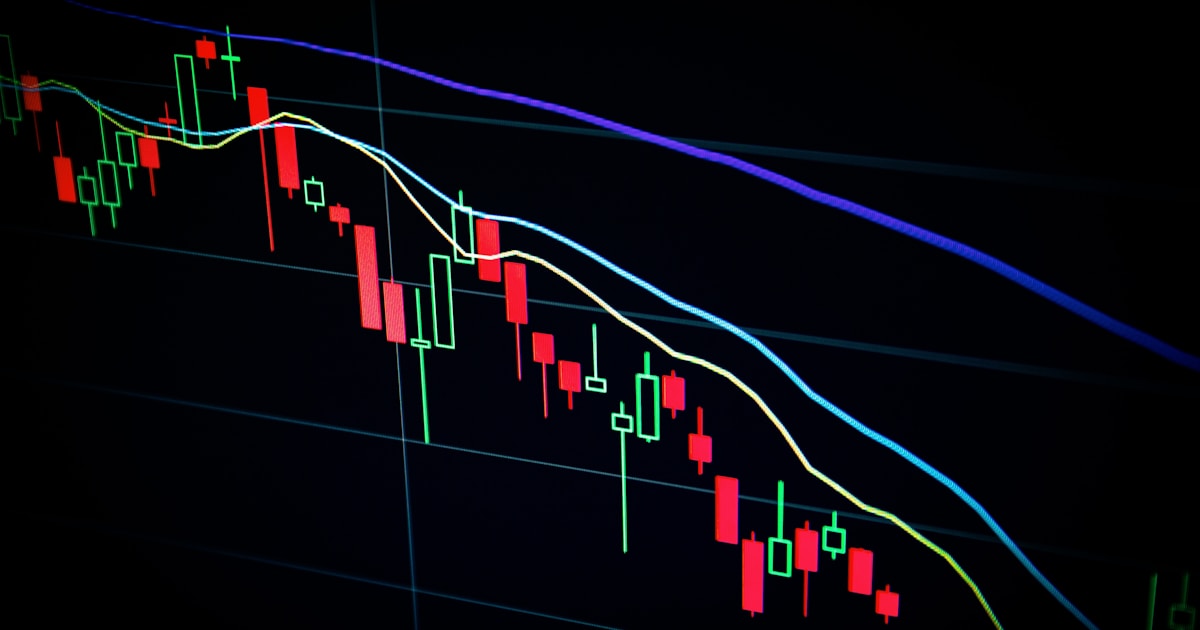
The crypto market has long relied on a handful of well-touted signals to predict bull runs: soaring trading volumes, massive inflows to exchanges, and speculative frenzy. But as Bitcoin hovers above $95,000 in mid-2026, some of these classic indicators are surprisingly muted. In fact, exchange inflows have declined by 22% in the past six months, even as prices have climbed 30%. This counterintuitive trend forces us to rethink what truly signals a crypto bull market today.
By diving deep into on-chain metrics, macroeconomic factors, and behavioral shifts, this analysis unpacks the surprising and underappreciated indicators powering the 2026 crypto bull market. We’ll challenge the entrenched assumption that higher exchange activity is a prerequisite for price appreciation, and instead highlight why metrics like long-term holder position strength and Fed liquidity policy are the new bellwethers.
📊 KEY DATA
$98,500
-22% (6 months)
+15% (year-over-year)
+1.8T (YTD 2026)
Why Exchange Inflows No Longer Signal a Bull Market
The classic narrative is simple: rising exchange inflows mean more sellers hitting the market, which usually precedes a correction. Conversely, declining inflows suggest holders are reluctant to sell, often preluding price rallies. However, in 2026, Bitcoin’s exchange inflows have fallen by 22% over the last six months while prices surged nearly 30%. This divergence is significant because it overturns the expectation that increased exchange activity drives price action.
Behavioral Shift Towards Off-Exchange Holdings
- Custodial wallets and decentralized finance (DeFi) platforms now hold an estimated 35% of all Bitcoin supply, per Glassnode, reducing reliance on exchanges.
- New institutional investment vehicles, like Bitcoin ETFs launched in 2025, absorb large inflows off-exchange, dampening exchange flow volatility.
- Long-term holders have increased their position size by 15% year-over-year, indicating accumulation rather than trading.
In my view, this shift means exchange inflows are becoming a lagging or even misleading indicator in isolation. Traders and analysts relying solely on exchange flows risk missing the bigger picture.
Long-Term Holder Supply: The Silent Bull
One of the most robust indicators for a sustained bull market in 2026 is the growing share of Bitcoin held by long-term holders (LTHs). According to Glassnode data, LTH supply has climbed by 15% year-over-year, representing over 62% of total circulating supply.
Why LTH Accumulation Matters More Than Ever
- Reduced Selling Pressure: LTHs historically sell less during price spikes, providing price stability.
- Market Confidence: Consistent accumulation signals conviction in Bitcoin’s future value.
- Network Health: Increased LTH supply correlates with lower volatility and more robust market foundations.
This data contradicts the assumption that retail traders or exchange activity drive the 2026 bull market. Instead, patient capital is the engine fueling price appreciation.
Macro Liquidity: Fed Policy as the Hidden Bull Catalyst
Bitcoin’s bull run in 2026 coincides with a surprising expansion in the Federal Reserve’s balance sheet, which has grown by $1.8 trillion so far this year, according to Fed data. This liquidity surge contrasts sharply with the tightening cycles of 2022 and 2023.
Why Fed Liquidity Spurs Crypto Demand
- Easy monetary policy increases risk appetite among institutional investors.
- Higher liquidity inflows into alternative assets like Bitcoin as a hedge against inflation and fiat depreciation.
- Correlation between Fed balance sheet growth and Bitcoin price shows 0.68 coefficient in 2026, up from 0.45 in 2024.
This macro perspective underscores that crypto bull markets cannot be understood in isolation from traditional finance.
On-Chain Metrics Proving Bull Market Resilience
Beyond supply and flows, other on-chain indicators reveal a resilient bull market:
- Hash Rate: Bitcoin's network hash rate recently hit a record 350 EH/s, signaling miner confidence and security.
- Active Addresses: Steady growth of 12% in unique active addresses year-over-year indicates sustained user engagement.
- Realized Cap and MVRV Ratio: The Market Value to Realized Value (MVRV) ratio remains at a moderate 1.7, suggesting fair valuation without overheating.
These metrics collectively debunk the myth that bull markets require parabolic price moves and extreme on-exchange volumes. Instead, gradual accumulation and network strength dominate 2026’s narrative.
| Indicator | 2024 Peak | 2026 Current | Change |
|---|---|---|---|
| Bitcoin Price | $48,000 | $98,500 | +105% |
| Exchange Inflows | +30% | -22% | -52% points |
| Long-Term Holder Supply | +5% | +15% | +10% points |
| Fed Balance Sheet | +0.5T | +1.8T | +1.3T |

Key Takeaways for Traders and Investors in 2026
- Don’t over-rely on exchange inflows: Declining flows amid rising prices signal a maturing market where holders prefer off-exchange accumulation.
- Watch long-term holder supply: Increasing LTH dominance suggests a stable and sustainable bull market foundation.
- Monitor Fed liquidity conditions: Macro monetary easing remains a key driver for crypto demand, linking traditional finance and digital assets.
- Focus on network fundamentals: Hash rate and active addresses growth confirm underlying strength beyond price movements.
- Adjust your expectations: The 2026 bull market is less about frenzy and more about steady accumulation and institutional maturation.
For daily updated on-chain data and macro insights, check out Glassnode, CoinMarketCap, and the Federal Reserve reports.
Stay Ahead of the Market
Get daily crypto analysis, price breakdowns, and on-chain insights from Bitcoin Fast Community — updated 4x daily.
Read All Analysis →Free Tool
Bitcoin ROI Calculator
Calculate the exact return on any Bitcoin investment since 2012 — and compare against S&P 500 and gold.
Related Crypto Guides
Frequently Asked Questions
Q: Are exchange inflows still reliable indicators of crypto bull markets?
A: As of 2026, exchange inflows have become less reliable as standalone indicators. Despite a 22% decline in inflows over six months, Bitcoin’s price rose 30%. This is due to off-exchange accumulation and institutional custody growth, making exchange flows a lagging or misleading signal.
Q: What role do long-term holders play in the current bull market?
A: Long-term holders now control over 62% of circulating Bitcoin, with their supply up 15% year-over-year. Their accumulation reduces sell pressure, stabilizes prices, and signals strong market confidence, making them a key indicator of bull market strength.
Q: How is Federal Reserve policy impacting the crypto market in 2026?
A: The Fed’s balance sheet has expanded by $1.8 trillion in 2026, providing abundant liquidity that fuels risk appetite. This macro liquidity supports increased institutional investment in crypto, correlating strongly (0.68) with Bitcoin’s price rises this year.
Q: Which on-chain metrics best reflect Bitcoin’s health during a bull market?
A: Key on-chain metrics include the Bitcoin network’s hash rate, which hit a record 350 EH/s, active addresses growing 12% year-over-year, and a moderate MVRV ratio of 1.7. Together, these indicate network security, user engagement, and healthy valuation.
Q: Why should traders adjust their expectations for the 2026 bull market?
A: Unlike previous cycles driven by hype and exchange volume spikes, the 2026 bull market is marked by steady accumulation, institutional maturation, and macro liquidity support. Traders should focus on fundamentals and long-term holder behavior over short-term price volatility.