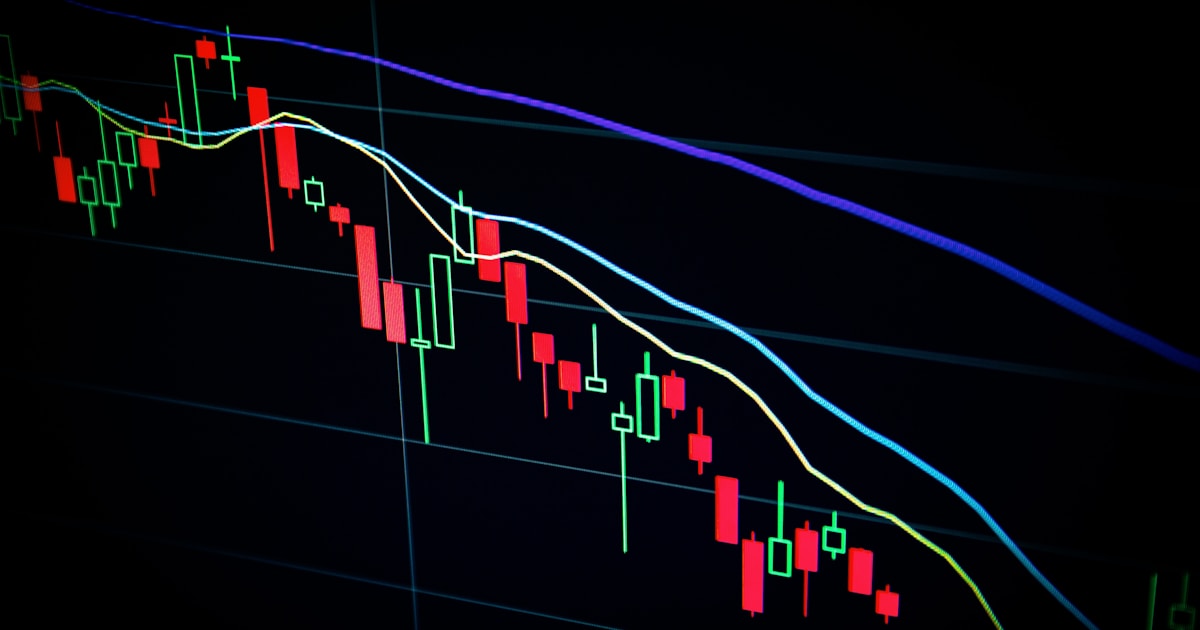
The Bitcoin price prediction 2026 is drawing renewed attention as BTC trades in the $95,000-$105,000 range midway through 2026. What strikes me here is that Bitcoin’s price stability at these levels coincides with unprecedented on-chain strength and significant macroeconomic changes, signaling a potential breakout scenario that traders and holders can’t ignore.
Since the start of 2026, Bitcoin’s market dynamics have been shaped by a combination of rising hash rates, diminishing inflation concerns in the US, and growing institutional adoption. According to Glassnode, the Bitcoin network hash rate hit an all-time high of 350 EH/s in June 2026, emphasizing miners’ confidence despite earlier regulatory headwinds.
Adding to this, the Federal Reserve’s updated stance on interest rates, as detailed on federalreserve.gov, shows a pause in hikes and a pivot toward cautious easing expected in Q4 2026. This shift has historically correlated with bullish momentum for risk assets like Bitcoin.
📊 KEY DATA
$95,000 - $105,000 (July 2026)
350 EH/s (June 2026 all-time high)
5.0% (pause & easing expected Q4 2026)
1.2M daily (steady growth in 2026)
Why Bitcoin’s Network Fundamentals Point to $100K+
The record-high hash rate underscores miners’ optimism. Higher hash rates mean increased security and network resilience, which historically correlates with price appreciation. With 350 EH/s, Bitcoin’s mining difficulty is at its peak, indicating robust competition and investment in infrastructure.
Mining Difficulty and Its Price Implications
- Difficulty Adjustment: Adjusted upwards by 3.5% in June 2026, the difficulty is approaching levels last seen during the 2024 bull run.
- Energy Efficiency: New ASIC miners deployed in 2026 have improved power efficiency by 15%, lowering operational costs for miners.
- Capitulation Risk: Minimal miner capitulation so far in 2026, signaling sustained confidence.
Macroeconomic Factors Driving Bitcoin’s 2026 Trajectory
The Federal Reserve’s monetary policy remains a pivotal factor. After a 14-month streak of incremental rate hikes starting in late 2024, the Fed paused hikes in mid-2026, with markets pricing in a potential easing cycle by Q4. This dovish shift tends to boost risk-on assets, including Bitcoin.
Inflation and Dollar Strength
- US Inflation: CPI dropped to 3.1% in June 2026, down from 4.2% a year ago.
- Dollar Index (DXY): Remains stable around 102, reducing headwinds for BTC priced in USD.
- Institutional Flow: Increased inflows into Bitcoin ETFs, spiking 18% in Q2 2026 according to CoinMarketCap data.
On-chain Metrics Reveal Growing User Engagement and HODLer Conviction
Active daily Bitcoin addresses rose steadily to 1.2 million in July 2026, a 12% increase year-over-year. This uptick indicates broader participation beyond just whales and miners.
Whale Activity and Supply Dynamics
- Long-Term Holder Supply: Accounts holding BTC for 1+ years now control 62% of circulating supply, up from 58% in 2025.
- Exchange Outflows: Monthly net outflows from exchanges averaged 28,000 BTC in H1 2026, reflecting growing preference for cold storage.
- Decreasing Volatility: 30-day historical volatility fell to 40%, down from 55% in early 2025, suggesting market maturation.
What This Means for Bitcoin Traders and Holders
For traders, the $95k-$105k range represents a critical consolidation zone. Breakout above $110,000 could trigger a fresh rally toward $120,000 by Q4 2026. However, a sustained dip below $90,000 might invite short-term volatility.
Investment Strategies to Consider
- Long-Term Holding: Given rising HODLer supply and decreasing volatility, accumulating BTC for 2027 gains remains a solid play.
- Swing Trading: Use support near $90k and resistance at $110k to time entries and exits.
- Risk Management: Keep stop losses tight amid geopolitical uncertainties impacting markets globally.
Timeline: Key Events Shaping Bitcoin Price in 2026
- January 2026: Bitcoin opens at $92,000 amid steady institutional ETF inflows.
- March 2026: Network hash rate surpasses 330 EH/s, marking new all-time highs.
- June 2026: Fed signals pause in interest rate hikes; Bitcoin prices hit $105,000.
- July 2026: On-chain active addresses reach 1.2 million daily; exchange outflows accelerate.
- Q4 2026 (Forecast): Expected Fed easing and Bitcoin price breakout beyond $110,000.
| Metric | Value Mid-2026 | 2025 Comparable | Implication |
|---|---|---|---|
| Bitcoin Price | $100,000 (avg.) | $45,000 (avg.) | More than double, signaling growth phase |
| Network Hash Rate | 350 EH/s | 210 EH/s | Stronger security, higher confidence |
| Fed Interest Rate | 5.0% (paused) | 3.5% | Potential easing boosts risk assets |
| Active Addresses | 1.2M daily | 1.05M daily | Growing user engagement |

Key Takeaways for 2026 Bitcoin Investors
- Bitcoin is consolidating near $100,000, supported by strong network fundamentals.
- Record high hash rates signal miner confidence and network security.
- Federal Reserve’s paused rate hikes and potential easing favor bullish momentum.
- On-chain data shows rising active addresses and growing long-term holder supply.
- Traders should watch $90k support and $110k resistance for breakout or correction.
Stay Ahead of the Market
Get daily crypto analysis, price breakdowns, and on-chain insights from Bitcoin Fast Community — updated 4x daily.
Read All Analysis →Free Tool
Bitcoin ROI Calculator
Calculate the exact return on any Bitcoin investment since 2012 — and compare against S&P 500 and gold.
Frequently Asked Questions
Q: What is the predicted Bitcoin price range for 2026?
A: Bitcoin is currently trading between $95,000 and $105,000 in mid-2026, with forecasts suggesting a potential breakout above $110,000 by Q4 based on network fundamentals and macroeconomic trends.
Q: How does the Bitcoin network hash rate affect price predictions?
A: The hash rate reached 350 EH/s in June 2026, an all-time high, indicating strong miner confidence and network security. Historically, rising hash rates correlate with price appreciation since they reflect increased investment and less risk of attacks.
Q: What impact does Federal Reserve policy have on Bitcoin prices?
A: The Federal Reserve paused interest rate hikes in mid-2026 after a prolonged tightening cycle and is expected to ease rates by Q4. Lower interest rates tend to boost risk assets like Bitcoin by increasing liquidity and investor appetite.
Q: Are more people using Bitcoin based on on-chain data?
A: Yes, daily active Bitcoin addresses increased to 1.2 million in July 2026, a 12% rise year-over-year, indicating broader adoption and user engagement beyond institutional holders.
Q: What strategies should investors consider given the 2026 outlook?
A: Long-term holding remains favorable due to increasing HODLer supply and lowering volatility. Traders might use $90,000 as support and $110,000 as resistance levels to time entries and exits, while keeping stop losses tight during geopolitical uncertainties.