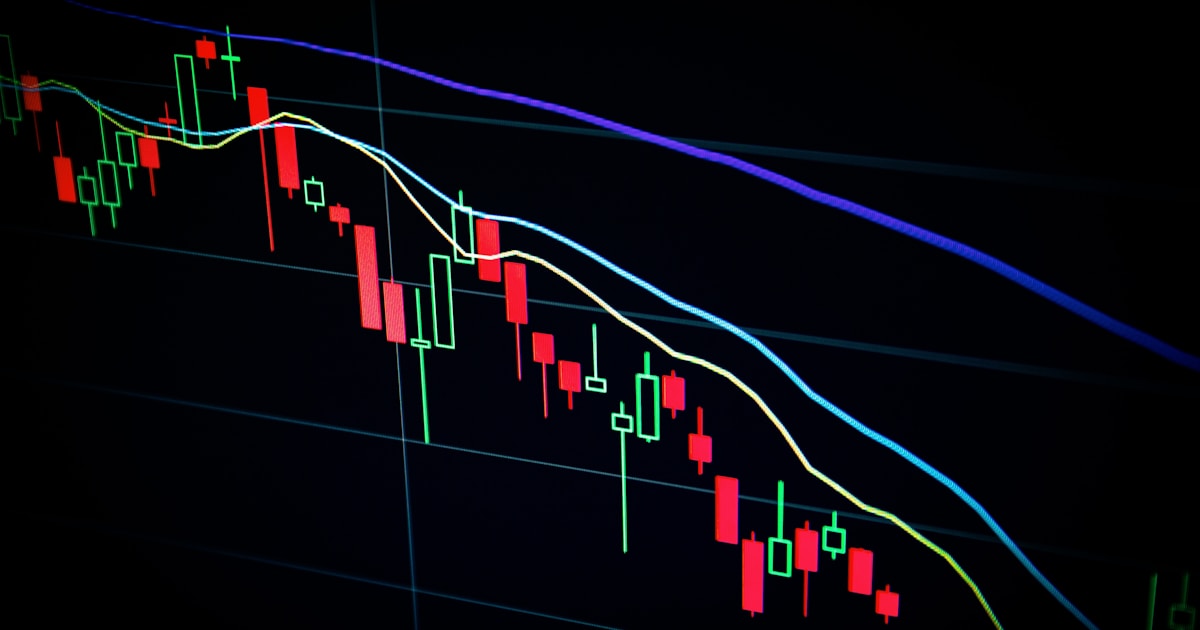
Bitcoin dominance is often tossed around as a simple percentage reflecting Bitcoin's share of the total cryptocurrency market cap. As of July 2026, bitcoin dominance sits around 48%, down from the 70%+ peaks seen during the 2020 bull run. But in my view, this metric is far more than a vanity statistic—it's a critical barometer of market cycles, investor psychology, and crypto's evolving ecosystem.
What strikes me here is how the narrative around bitcoin dominance has become polarized. Some see a declining dominance as a bullish sign for altcoins and DeFi ecosystems, while others warn that a collapsing dominance hints at speculative excess and bubble risks outside the Bitcoin network. I believe both sides miss the deeper story: bitcoin dominance today signals crypto's transition from a Bitcoin-led experiment to a complex, multi-asset financial ecosystem with Bitcoin as the resilient anchor.
📊 KEY DATA
Bitcoin dominance (July 2026)
Bitcoin market cap (CoinMarketCap)
Total crypto market cap
Bitcoin network hash rate
Why Bitcoin Dominance Is a Flawed Yet Vital Indicator
Bitcoin dominance is calculated by dividing Bitcoin’s market cap by the total crypto market cap, sourced from aggregators like CoinMarketCap. But this simplistic ratio ignores:
- Stablecoins: They inflate total market cap but add no price volatility or speculative value.
- DeFi and Layer 2 tokens: Their market caps represent utility and governance, not direct Bitcoin competition.
- Market cycles: Dominance tends to fall during alt season bubbles and rise during Bitcoin-led bull runs.
Despite these flaws, bitcoin dominance remains a vital pulse check. Why? Because it captures investor preference for Bitcoin’s relative safety vs altcoins’ speculative upside. When dominance rises, capital flows back to Bitcoin’s proven store of value; when it falls, risk appetite grows.
Dominance Decline in 2026: Altcoins Are Not Taking Over Bitcoin
From 2023 through mid-2026, bitcoin dominance slid from 55% to roughly 48%. The anti-Bitcoin crowd often spins this as Bitcoin losing dominance to altcoins. But here’s the nuance few acknowledge:
1. Market Cap Inflation from Stablecoins
Stablecoins now represent nearly 18% of the total crypto market cap, per CoinMetrics data. This inflates the denominator in dominance calculations without representing speculative risk capital. The real competition to Bitcoin is not stablecoins.
2. Institutional Bitcoin Demand Remains Robust
Glassnode's on-chain data shows long-term holder supply is at an all-time high, with over 70% of Bitcoin’s supply untouched for more than a year. That strong holder base anchors Bitcoin’s value, regardless of short-term dominance fluctuations.
3. Quality Altcoins Gain Market Share, But Bitcoin Still Leads
Altcoins like Ethereum, Solana, and newer Layer 1s have gained ground, but their valuations largely reflect distinct use cases, not a zero-sum battle with Bitcoin. Bitcoin’s unique sound money status can't be replaced by dApps or DeFi.
Why Some Bitcoin Maximalists Misinterpret Dominance Metrics
Bitcoin maximalists often argue that any dip in dominance is a threat to Bitcoin’s supremacy. I disagree. This maximalist view misses that Bitcoin’s role is evolving:
- Bitcoin as Digital Gold: Its dominance reflects a store-of-value function that complements rather than competes with programmable money.
- Crypto Ecosystem Maturation: A diversified market with 48% bitcoin dominance shows a maturing industry where multiple protocols coexist sustainably.
In my view, obsession with dominance percentages leads to toxicity in the community and hinders objective market analysis.
What Investors Should Watch Beyond Bitcoin Dominance
A nuanced approach requires looking at other metrics:
- Net Flows into Bitcoin vs Altcoins: Glassnode reports that over the last 12 months, Bitcoin has consistently seen positive net inflows, indicating steady demand.
- Hash Rate and Network Security: Bitcoin’s hash rate recently hit 136 EH/s, a sign of unparalleled network security and miner confidence.
- On-Chain Activity: Transaction volume and active addresses remain strong, underscoring Bitcoin’s ongoing utility despite dominance dips.
Relying solely on dominance ignores these more telling signs of Bitcoin’s health. None of these figures move in isolation, either — a rising hash rate alongside falling dominance usually means miners and long-term holders are unbothered by short-term rotation into altcoins, while a falling hash rate alongside falling dominance would be a genuinely bearish combination. Reading dominance next to these other indicators, rather than on its own, is what separates a useful read of the market from a headline-driven overreaction.
| Metric | Bitcoin | Top Altcoins Combined | Stablecoins |
|---|---|---|---|
| Market Cap (July 2026) | $2.1T | $1.5T | $0.77T |
| Dominance % | 48% | 35% | 17% |
| Network Security (Hash Rate/EH/s) | 136 | N/A | N/A |
| Active Addresses (7d avg) | 1.2M | 900K | Not Applicable |

How Bitcoin Dominance Has Moved Through Past Market Cycles
Looking at dominance in isolation, without the historical pattern behind it, makes the current 48% figure hard to interpret. Context helps. During the 2017 ICO boom, capital rotated so aggressively into new tokens that bitcoin dominance fell into the mid-30s by early 2018 — a much sharper drop than anything seen in 2026. When that speculative wave collapsed through the 2018-2019 bear market, altcoins lost value faster than Bitcoin did, and dominance climbed back above 60%.
A similar cycle played out around the 2020-2021 DeFi and NFT boom, when dominance eased toward the low 40s as liquidity spread into yield farming, NFTs, and a wave of new Layer 1 chains. Then came the 2022 collapses — Terra/Luna in May and FTX in November — which wiped out enormous amounts of altcoin and stablecoin value almost overnight. Capital that survived rotated back toward Bitcoin's relative safety, and dominance pushed back above 50% through 2023.
The approval of spot Bitcoin ETFs in early 2024 reinforced that trend: institutional allocators who wanted regulated crypto exposure overwhelmingly chose Bitcoin first, which kept dominance elevated even as the total crypto market cap grew. The gradual slide to 48% by mid-2026 looks less like altcoins "winning" and more like capital broadening out again — into Ethereum's Layer 2 ecosystem, restaking protocols, and yield-bearing stablecoin products — after a multi-year period where Bitcoin absorbed most of the new institutional demand. Readers who want the mechanics behind that ETF-driven inflow can compare it directly against direct BTC ownership in our Bitcoin ETF vs spot Bitcoin comparison, or see how dominance behaved around past halvings in our halving price data analysis.
Key Takeaways for Navigating Bitcoin Dominance in 2026
- Bitcoin dominance is a signal, not the whole story: Use it alongside flow, on-chain, and network security metrics.
- Stablecoins skew dominance calculations: Treat their market cap separately to get clearer insights.
- Dominance decline doesn’t equal Bitcoin’s demise: It reflects a maturing, diversified crypto ecosystem.
- Focus on Bitcoin’s fundamentals: Hash rate, long-term holder supply, and active addresses remain Bitcoin’s strongest metrics.
- Don’t fall into maximalist traps: Healthy debate requires acknowledging Bitcoin’s evolving role and coexistence with altcoins.
For those serious about understanding crypto markets, I recommend regularly consulting Glassnode for on-chain data, CoinMarketCap for market caps, and staying updated on bitcoin.org for Bitcoin protocol developments. The best investors see beyond bitcoin dominance as a mere percentage — they read the full narrative behind the numbers.
Stay Ahead of the Market
Get daily crypto analysis, price breakdowns, and on-chain insights from Bitcoin Fast Community — updated 4x daily.
Read All Analysis →Free Tool
Bitcoin ROI Calculator
Calculate the exact return on any Bitcoin investment since 2012 — and compare against S&P 500 and gold.
Related Crypto Guides
Frequently Asked Questions
Q: What exactly is bitcoin dominance?
A: Bitcoin dominance is the ratio of Bitcoin's market capitalization to the total cryptocurrency market capitalization. As of July 2026, it's roughly 48%, meaning Bitcoin represents nearly half of all crypto market value.
Q: Why does bitcoin dominance fluctuate over time?
A: Dominance shifts due to changes in investor preference, altcoin market cycles, and stablecoin market cap growth. For example, during altcoin booms, Bitcoin dominance typically falls as capital flows into other tokens.
Q: Does a declining bitcoin dominance mean Bitcoin is losing value?
A: Not necessarily. Bitcoin's market cap can grow even if dominance falls, especially if the altcoin market grows faster or stablecoins inflate total market cap. Bitcoin's fundamentals often remain strong despite dominance dips.
Q: How do stablecoins affect bitcoin dominance?
A: Stablecoins inflate total crypto market capitalization without contributing to volatility or speculative investment. Since dominance divides Bitcoin's market cap by total market cap including stablecoins, their growth lowers bitcoin dominance percentage.
Q: What metrics should investors use alongside bitcoin dominance?
A: Investors should also track net capital flows, Bitcoin's hash rate (currently 136 EH/s), long-term holder supply, and active addresses to get a comprehensive view of Bitcoin's market health.